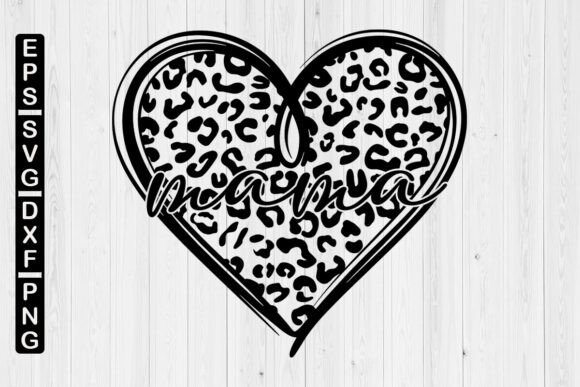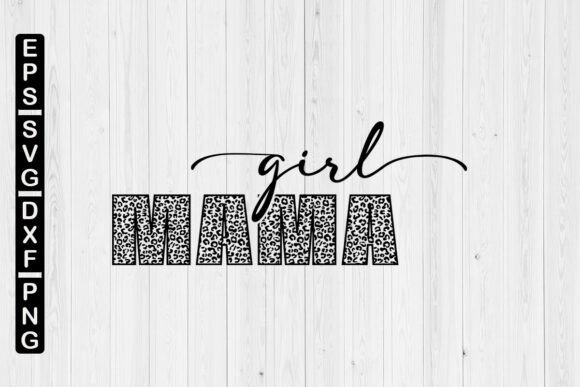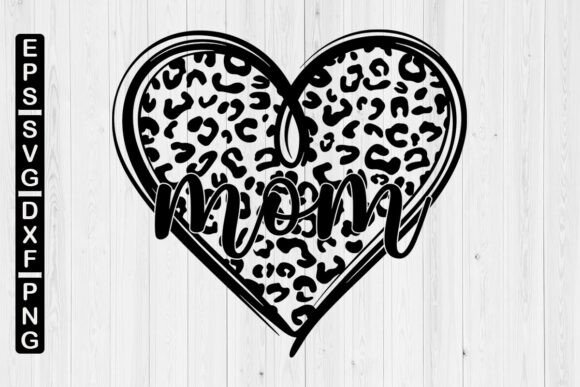
Gaga Leopard SVG: Graphics for Crafts & Creative Publishing
As a blog designer who’s built over 200 content-rich websites and managed editorial visuals for digital publishers across lifestyle, education, and small business niches, I test every graphic design asset through one lens: Does it elevate real content — not just decorate it? When I first opened Gaga Leopard SVG, I wasn’t looking for novelty — I was checking whether it could carry weight in live publishing contexts: featured images that stop scrollers, Pinterest pins that convert, newsletter headers that feel intentional, and downloadable resources that readers actually save.
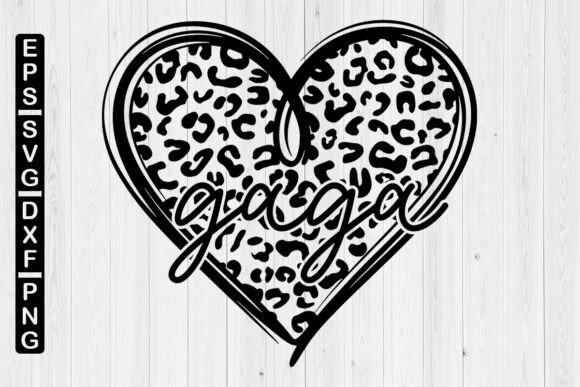
The first impression? Bold, confident, and unmistakably tactile. Gaga Leopard SVG lands with a playful-yet-polished energy — think modern lifestyle blog meets artisanal craft studio. It’s not minimalist, but it’s never chaotic. The leopard motif is stylized, not photorealistic: clean line work, balanced negative space, and subtle texture hints that translate beautifully across scales. It reads as feminine without being cutesy, artistic without sacrificing clarity, and decorative without overwhelming text. That makes it ideal for niches like handmade business branding, creative entrepreneurship, wellness content with visual flair, print-on-demand guides, or seasonal digital product launches — especially where warmth, personality, and craft-driven authenticity matter more than corporate restraint.
Where Gaga Leopard SVG Earns Its Place in Real Publishing Workflows
This isn’t just another decorative element — it’s a functional editorial tool. Here’s how it integrates into actual content pipelines:
- Blog featured images: Paired with bold headline typography, Gaga Leopard SVG creates instant visual hierarchy — guiding the eye before a single word is read.
- Pinterest pins: Its high-contrast silhouette and strong shape scale cleanly down to thumbnail size while retaining recognizability — critical for click-through potential.
- Digital guides & lead magnets: Used as a corner accent or section divider, it adds premium texture to otherwise flat PDFs or Notion templates.
- Newsletter headers: Placed above a short intro paragraph, it signals creative authority and sets an inviting, human tone.
- Category thumbnails & website banners: Consistent use across a site builds visual rhythm — helping readers instantly identify “craft,” “printables,” or “creative tools” sections.
- Canva templates & social media graphics: The included SVG and EPS files allow seamless resizing and recoloring — no pixelation, no quality loss when adapting for Instagram carousels or Facebook cover images.
- Downloadable printables & media kits: As a watermark alternative or subtle background repeat, it reinforces brand identity without competing with core content.
Why It Strengthens Editorial Trust and Content Performance
Readers decide in under three seconds whether your content is worth their time. Gaga Leopard SVG supports that micro-moment in measurable ways:
- Stronger first impression: Its confident shape and rhythmic pattern signal intentionality — telling readers this isn’t generic stock; it’s curated.
- Better visual hierarchy: When layered behind or beside headline text (with proper contrast), it directs attention without shouting.
- Improved reader trust: Consistent, cohesive visuals — especially in downloadable resources — quietly communicate professionalism and care.
- Sharper brand identity: Reusing this motif across blog graphics, email headers, and social previews builds recognition faster than logos alone.
- Higher click-through on affiliate or product pages: In content marketing and affiliate marketing, visually distinct assets make CTAs feel less transactional and more aligned with the reader’s aesthetic values.
Where It Shines — and Where to Pause
Gaga Leopard SVG works best in spaces where visual personality supports meaning: hero images with ample breathing room, article thumbnails with centered focus, Pinterest pins with 2:3 aspect ratios, editorial accents (like dividers or bullet icons), content upgrades like checklists or planners, and category visuals that benefit from thematic resonance.
Use it carefully — or skip it entirely — in contexts demanding neutrality or precision: tiny mobile thumbnails where detail blurs, text-dense blog graphics where contrast suffers, low-contrast backgrounds (e.g., light gray on off-white), layouts already packed with patterns or illustrations, serious B2B or medical content, or sites committed to ultra-minimalist web design. It’s not built for invisibility — it’s built for presence.
Publisher Notes You’ll Actually Use
Before dropping Gaga Leopard SVG into production, run these checks — they’ve saved me hours of redesign:
- Preview it at actual thumbnail size (e.g., 300×200px) on both desktop and mobile — does the shape hold up?
- Drop it into your live blog layout mockup — not just a blank canvas. Does it harmonize with your header font, sidebar width, and content width?
- Overlay headline text using your primary serif, sans-serif, script, and display fonts — test readability at 16px and 24px.
- Convert to grayscale — does it retain enough contrast for accessibility and print use?
- Check file size: The PNG should be optimized (under 150KB for web); SVG and EPS remain vector-perfect for scaling.
- Confirm commercial license terms — yes, Gaga Leopard SVG is a digital download, not physical goods, and includes files usable across monetized blogs, affiliate content, and paid digital products — but always verify scope before launching a course or eBook series.
In the world of content publishing, every graphic design asset must earn its place — not just fill space. Gaga Leopard SVG does more than sit pretty. It supports voice, reinforces niche alignment, and quietly tells readers: This content was made with care — for people who value craft, clarity, and creative confidence. Whether you’re designing a digital guide for ceramicists, a newsletter for indie stationery brands, or a Pinterest strategy for handmade entrepreneurs, this is one of those rare graphics that feels like a collaborator — not just a decoration.