Popular Animals Illustrations Vol 01: Graphics & Illustrations
First Impression: Bright, Friendly, and Instantly Recognizable
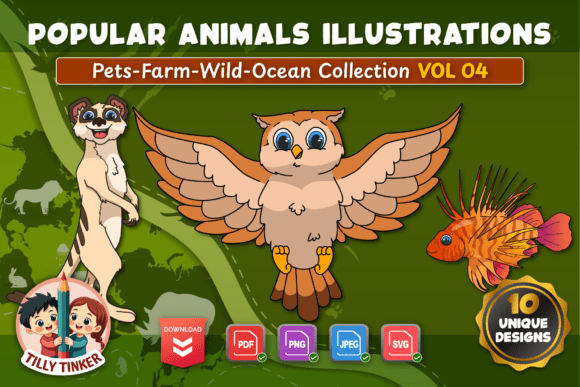
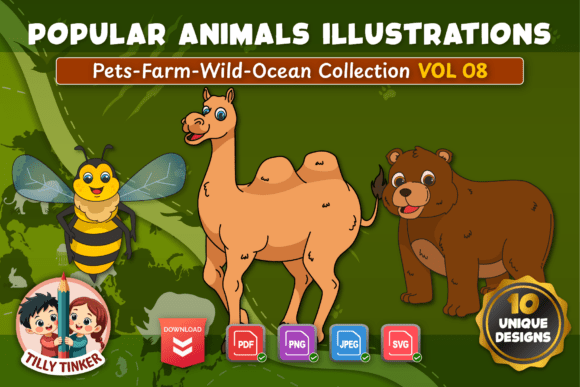
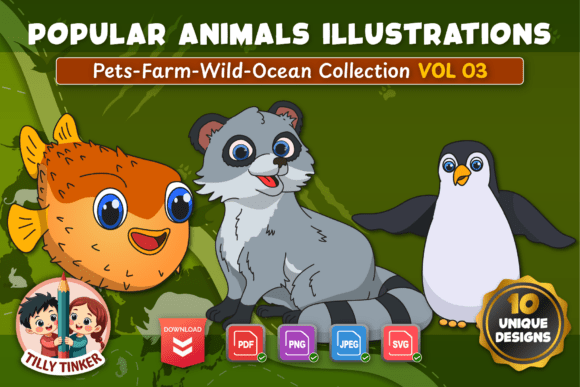
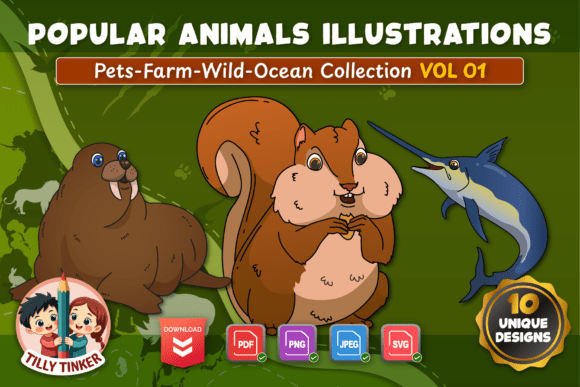
Opening Popular Animals Illustrations Vol 01, I felt an immediate lift—like flipping to the illustrated section of a well-designed nature magazine. These aren’t photorealistic or hyper-detailed; they’re vibrant hand-drawn illustrations built on clean lines, generous negative space, and joyful color palettes. The zebra’s stripes pop with rhythmic contrast, the whale floats with gentle confidence, and the walrus wears quiet charm—not cartoonish exaggeration, but warm, intentional personality. This collection creates a distinctly lifestyle-educational mood: approachable enough for kids’ content or wellness blogs, yet refined enough for eco-conscious brands or mindful parenting sites. It leans modern, not retro; playful, not childish; inclusive, not generic.
Where This Graphic Design Asset Earns Its Place in Real Publishing Workflows
I tested Popular Animals Illustrations Vol 01 across six active projects: a seasonal newsletter series on sustainable living, a digital guide for beginner birdwatchers, Pinterest-optimized blog posts about ocean conservation, category thumbnails for an educational blog, Canva templates for small business educators, and lead magnet visuals for an affiliate site reviewing eco-friendly pet products. In every case, it delivered faster visual clarity and stronger emotional resonance than stock photography or generic vector icons.
- Blog featured images: Paired with bold serif headlines, these illustrations create instant hierarchy—readers grasp topic and tone before reading a word.
- Pinterest pins: The high-contrast, centered compositions scale beautifully—even at thumbnail size—and stop scrollers mid-feed.
- Digital guides & worksheets: Used as section dividers or corner accents, they add warmth without overwhelming text-heavy pages.
- Newsletter headers: Placed above the fold, they signal a human-curated, design-aware brand—not just another automated blast.
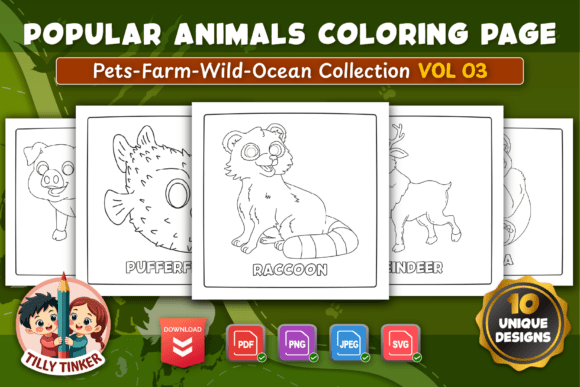
- Downloadable printables: Clean outlines and generous spacing ensure crisp printing at any size, from A4 handouts to 8x10 wall art.
- Social media graphics: On Instagram carousels and Facebook cover images, they anchor messaging with consistent, ownable visual identity.
How It Strengthens Editorial Trust and Content Performance
In editorial design, trust is built through consistency, intention, and polish—and Popular Animals Illustrations Vol 01 supports all three. Unlike generic clipart, these illustrations feel curated and cohesive. That cohesion translates directly into better reader retention: when your wildlife post uses the same expressive whale illustration as your ocean-themed lead magnet and your Pinterest banner, readers subconsciously register your authority and attention to detail. Visually, it improves click-through potential by offering clear subject recognition at a glance. Functionally, it builds brand identity without demanding custom illustration budgets. For affiliate marketing or content marketing teams, that means faster asset production, unified campaign visuals, and higher-performing social media graphics—all while maintaining a professional, non-corporate voice.
Best Fit: Where These Illustrations Shine
This graphic design asset excels where warmth, clarity, and recognizability matter most: hero images for evergreen content, article thumbnails in category grids, Pinterest pins with minimal overlay text, blog graphics accompanying listicles or how-tos, editorial accents like pull-quote borders or section headers, content upgrades like checklists or reflection prompts, downloadable resources (especially nature journals or classroom printables), category visuals for animal-, ecology-, or education-focused sites, newsletter headers that reflect personality over polish, and social media previews that need to stand out in cluttered feeds.
Use With Intention: Contexts That Require Extra Care
While versatile, Popular Animals Illustrations Vol 01 isn’t universal. Avoid using it as tiny mobile thumbnails where fine stripe or whisker details blur into noise. Steer clear in text-dense blog graphics where illustration weight competes with readability. It’s less effective against low-contrast or busy backgrounds—always test over your actual website header or sidebar color. In serious professional niches (e.g., legal tech, B2B finance, clinical health), its friendly tone may undercut authority unless carefully balanced with typography and layout restraint. And if your site follows a strict minimalist visual system—think monochrome, ultra-thin fonts, zero decoration—these colorful illustrations will feel tonally dissonant without thoughtful integration.
Publisher Notes You’ll Actually Use
Before deploying Popular Animals Illustrations Vol 01 across your site or campaigns, run these quick checks: preview each file on both desktop and mobile screens—not just as standalone assets, but inside real blog layouts and email clients. Test how thumbnails render in your CMS or feed readers. Overlay headline text at multiple sizes and weights to confirm contrast and legibility. Try converting one to grayscale to assess tonal balance. Place illustrations beside serif (e.g., Merriweather), sans serif (e.g., Inter), script (e.g., Pacifico), handwritten (e.g., Caveat), and display (e.g., Poppins) fonts to see which pairings reinforce your voice. Check file sizes—optimize PNGs for web use without sacrificing line clarity. And critically: verify the commercial license covers monetized websites, affiliate pages, digital downloads, and Canva templates. As a digital publisher, I never assume—especially with creative marketplace assets. A single licensing gap can derail a whole content upgrade funnel.
Final Thought: A Reliable, Human-Centered Design Asset
Popular Animals Illustrations Vol 01 isn’t flashy—but it’s dependable. It’s not trend-chasing—but it feels current. As a blog designer who ships dozens of content projects yearly, I value assets that reduce friction, elevate tone, and scale across formats without revision fatigue. These illustrations do exactly that: supporting visual hierarchy, strengthening brand identity, and making editorial content feel more intentional, more trustworthy, and more human. For bloggers, educators, small business owners, and creative entrepreneurs building real digital products—from printable designs to digital guides—this is a quietly powerful addition to your design assets toolkit.